coolingOCTOBER 24, 2026 • 14:30 CET
MW
MegaWatt Intelligence Desk
Executive Briefing (TL;DR)
- This article is brought to you by CoolIT, an Ecolab Company.Beyond 250 kW a server rack can no longer be cooled by a hybrid approach of liquid and air
- At this density a 70/30 liquid-air split leaves 75 kW of air load
- The air cooling system needed to move it brings cost and complexity few operators will accept
- The answer is near-total heat capture
- Liquid takes effectively all the heat, air falls below 1 percent of the load, allowing the server to run fanless.CoolIT builds these loops today fr

The Future Is Fanless: 100% Heat Capture for Liquid Cooled AI Servers
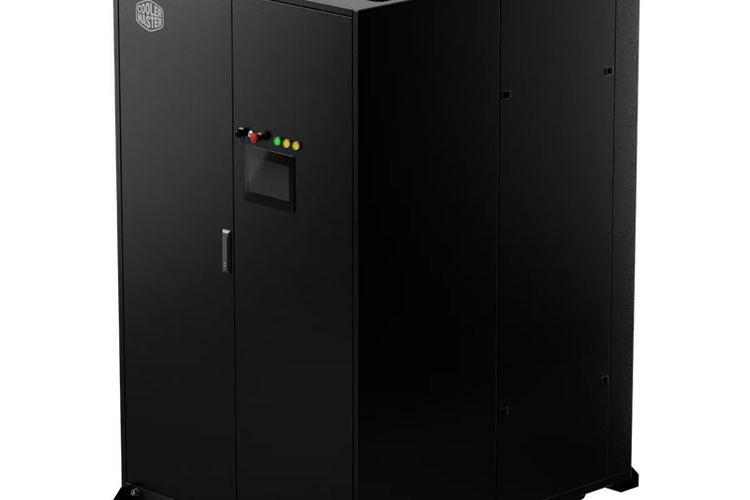
Original media associated with the source publication: The Future Is Fanless: 100% Heat Capture for Liquid Cooled AI Servers.
Credit: IEEE Spectrum Computing RSS Feed — verify reuse rights at the original source
Media rights belong to the original publisher; see source link for reuse terms.
This article is brought to you by CoolIT, an Ecolab Company.Beyond 250 kW a server rack can no longer be cooled by a hybrid approach of liquid and air. At this density a 70/30 liquid-air split leaves 75 kW of air load. The air cooling system needed to move it brings cost and complexity few operators will accept. The answer is near-total heat capture. Liquid takes effectively all the heat, air falls below 1 percent of the load, allowing the server to run fanless.CoolIT builds these loops today fr
Technical Photo Gallery (Exclusive Coverage)
01 / 01
Original media associated with the source publication: The Future Is Fanless: 100% Heat Capture for Liquid Cooled AI Servers.Attribution: IEEE Spectrum Computing RSS Feed — verify reuse rights at the original source
IEEE Spectrum Computing RSS FeedIEEE Spectrum Computing RSS Feed — verify reuse rights at the original source